
Fire & Smoke Damage · A guide to your next step
After a fire, recovery takes more than cleanup.
Fire damage can leave soot, smoke odors, wet materials, and questions about the building itself. Once emergency responders have addressed the incident, the next step is understanding which recovery services your property needs.
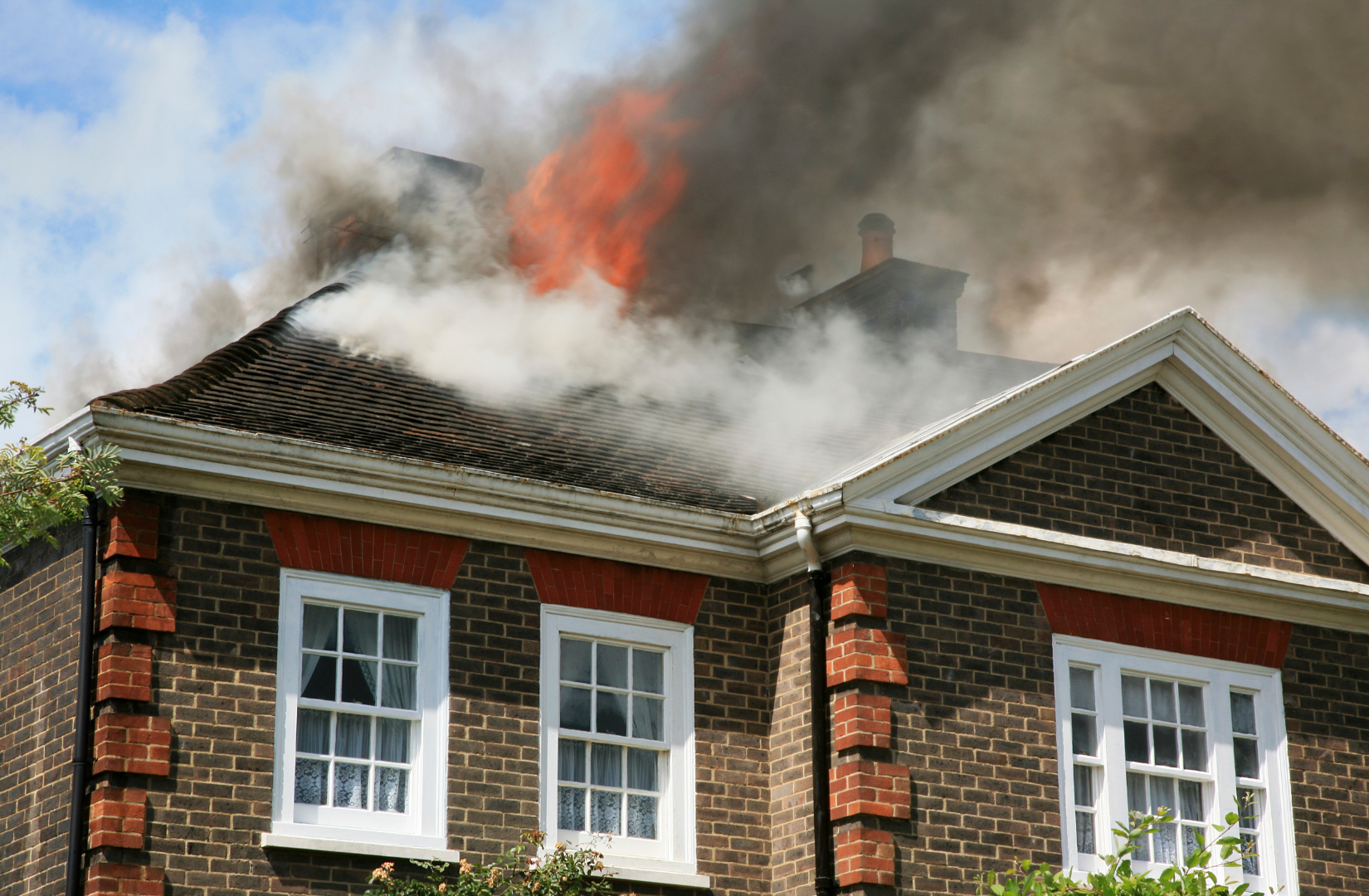
Start with what you notice
Does any of this sound familiar?
Soot and smoke beyond the burned area
Describe affected rooms and surfaces without assuming the damage stops at the visible fire area. A professional can help evaluate the cleanup scope.
Persistent smoke odor
Note where the odor remains and any cleanup already attempted. Odor concerns should be discussed as part of the restoration plan.
Water and building damage
Water used during firefighting and damage to building components may need separate attention. Include wet areas and access restrictions in your request.
Make the next conversation useful
Three things to do before planning the work.
Confirm access restrictions
Keep instructions from responders or local officials and share them with anyone coming to inspect. Do not enter simply to collect photographs.
Describe each recovery need
Separate soot and smoke, water damage, contents concerns, and building repairs. This helps identify the professionals involved.
Ask for a defined scope
Discuss what will be cleaned, removed, evaluated, or repaired, and what follow-up is included. Keep written reports and work records together.
Different needs. Different expertise.
Who may be the right professional?
Fire and smoke restoration professional
For evaluating affected areas and developing a cleanup and restoration scope.
Building or structural professional
For damage that needs evaluation before repair or re-occupancy decisions.
Property claim professional
For help reviewing and documenting a property damage insurance claim.
Your next connection
Find the right service for your next step.
Trust Public Adjusting Group can help with the claim side of property damage. For fire cleanup or building evaluation, submit a request describing those service needs.

Before you reach out
A few common questions.
Can Exsell respond to an active fire?
No. Call 911 for an active fire or immediate danger. The request form is for help identifying professionals after the emergency, not emergency dispatch.
Should I start cleaning soot myself?
First follow the fire department’s access instructions and discuss the affected materials with a restoration professional. The appropriate cleanup method depends on the conditions and materials.
Is claim support the same as restoration?
No. A public adjuster assists with the property claim; a restoration professional handles physical cleanup and restoration work. You may need to describe both needs.
The U.S. Fire Administration provides recovery guidance for residents after a home fire. U.S. Fire Administration: after a home fire.
You do not need to diagnose it yourself.
Tell us what happened and where the property is located. Exsell reviews your request to help identify the appropriate service and availability in your area.