
What Kind of Damage Are You Dealing With?
Most property damage situations do not fit neatly into one category, and the type of professional you need is not always the one you would expect. Exsell helps property owners sort through that confusion. We review what happened, identify the type of service that fits, and connect you with a qualified local professional who handles your specific situation.
Below is a breakdown of the damage types we route. If you are not sure where your situation falls, that is fine. Start with what you know and we will figure out the rest.
Damage Types We Route
Each category below is a starting point, not a diagnosis. The important question is which professional should be involved first.
Water Damage
Common first concern
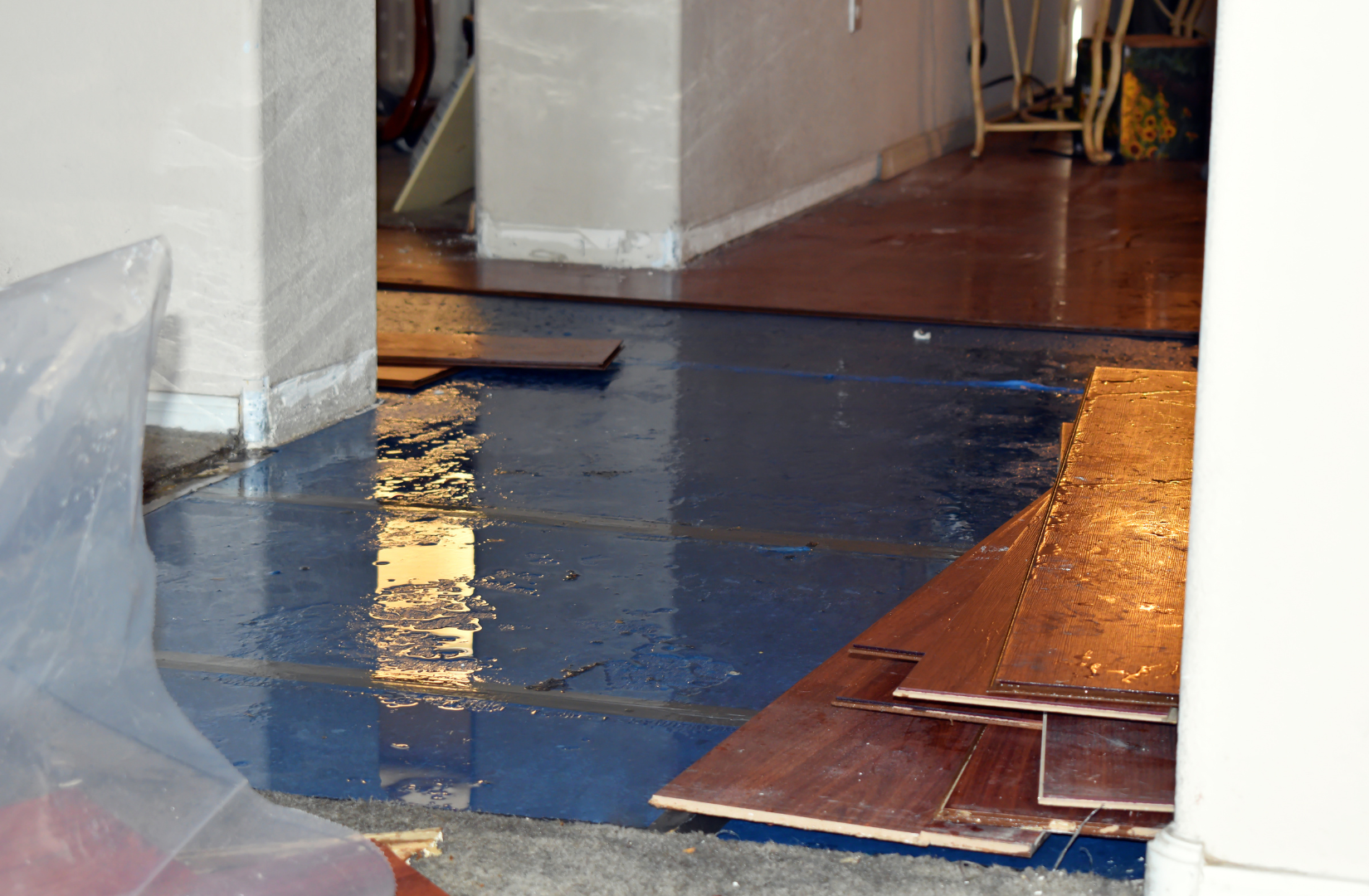
Water damage is the most common property damage issue we see, and it is also one of the most misrouted. A pipe bursts in a bathroom wall. A washing machine supply line fails overnight. A roof leak during a storm sends water into a ceiling cavity. The damage is obvious, but who you should call first depends on whether the source is still active, how long the water has been sitting, and what materials it has reached.
Why timing matters
If the source is still active, the first priority is stopping it and extracting standing water. That is typically a restoration or mitigation company. If the water event happened days or weeks ago and the structure has been drying on its own, you may already be past mitigation and into a mold concern. If the water came through the roof, the entry point needs to be addressed before any interior work makes sense.
How we route it
Exsell looks at the full picture: what happened, how long ago, what is still wet, and whether other issues like mold or structural damage are likely involved, and routes you to the right starting point.
Explore Each Damage Type
Read the full guide for common concerns, next steps, and who may be able to help.

Water Damage
Common first concern
Water damage is the most common property damage issue we see, and it is also one of the most misrouted. A pipe bursts in a bathroom wall. A washing machine supply line fails overnight. A roof leak during a storm sends water into a ceiling cavity. The damage is obvious, but who you should call first depends on whether the source is still active, how long the water has been sitting, and what materials it has reached.
Why timing matters
If the source is still active, the first priority is stopping it and extracting standing water. That is typically a restoration or mitigation company. If the water event happened days or weeks ago and the structure has been drying on its own, you may already be past mitigation and into a mold concern. If the water came through the roof, the entry point needs to be addressed before any interior work makes sense.
How we route it
Exsell looks at the full picture: what happened, how long ago, what is still wet, and whether other issues like mold or structural damage are likely involved, and routes you to the right starting point.

Mold Concerns
Common first concern
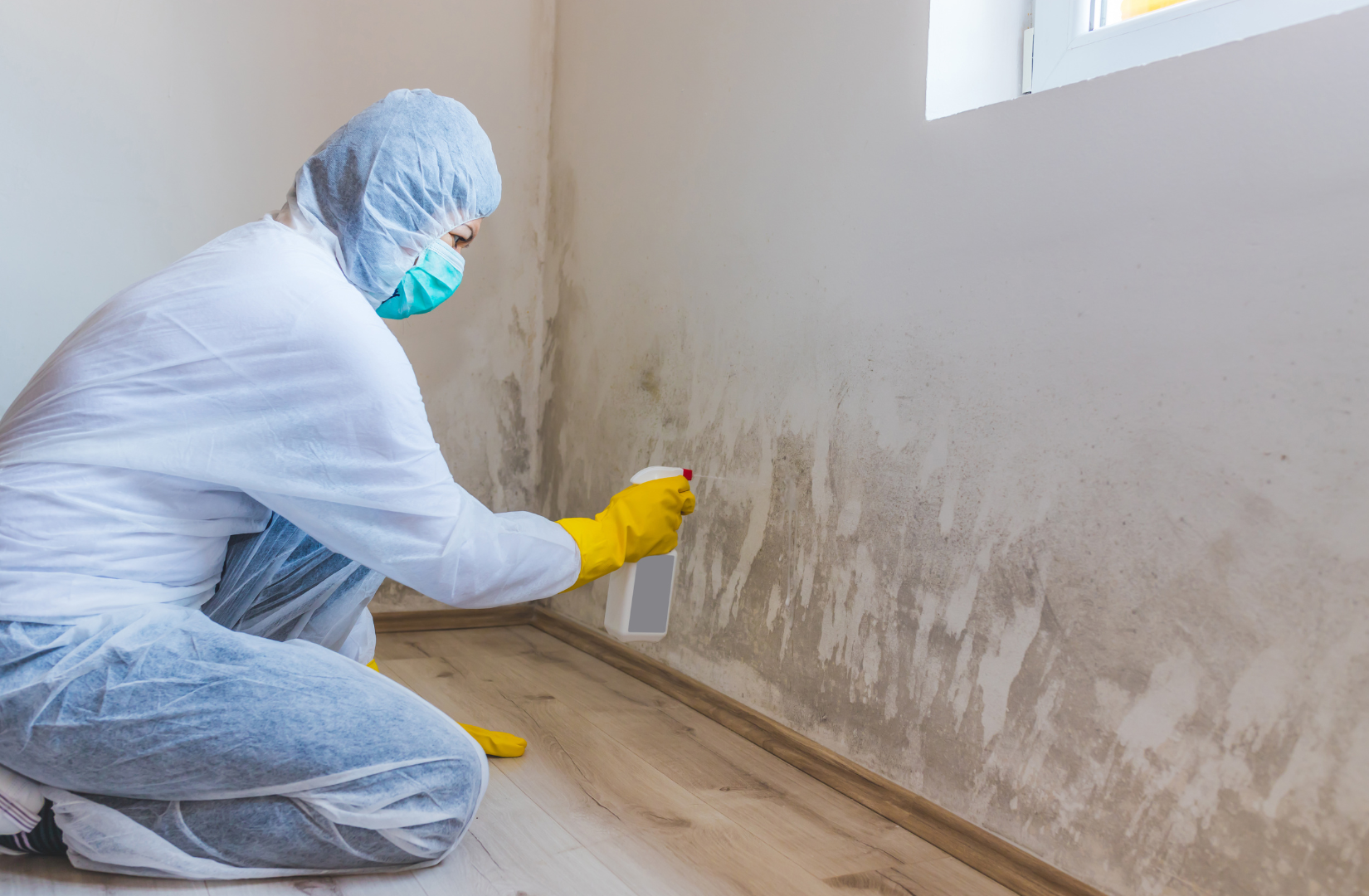
Mold is almost never a standalone problem. It follows water. A leak you did not know about, a poorly ventilated bathroom, a flood that was dried out but not dried out enough. The mold you see today usually traces back to a moisture event that was either missed or not fully resolved.
Why the source matters
That matters because the right first step depends on what is driving the mold. If there is an active moisture source, calling a remediation company before identifying and fixing the source means the mold comes back. If remediation has already been completed and you are seeing regrowth or still smelling something, you may need an independent mold assessor, not the same company that did the original work.
How we route it
Exsell helps sort through those layers. When you describe what you are seeing and what happened before it appeared, we can determine whether you need a mold assessor, a remediation contractor, a restoration company to address the underlying water issue, or some combination, and in what order.

Storm and Wind Damage
Common first concern
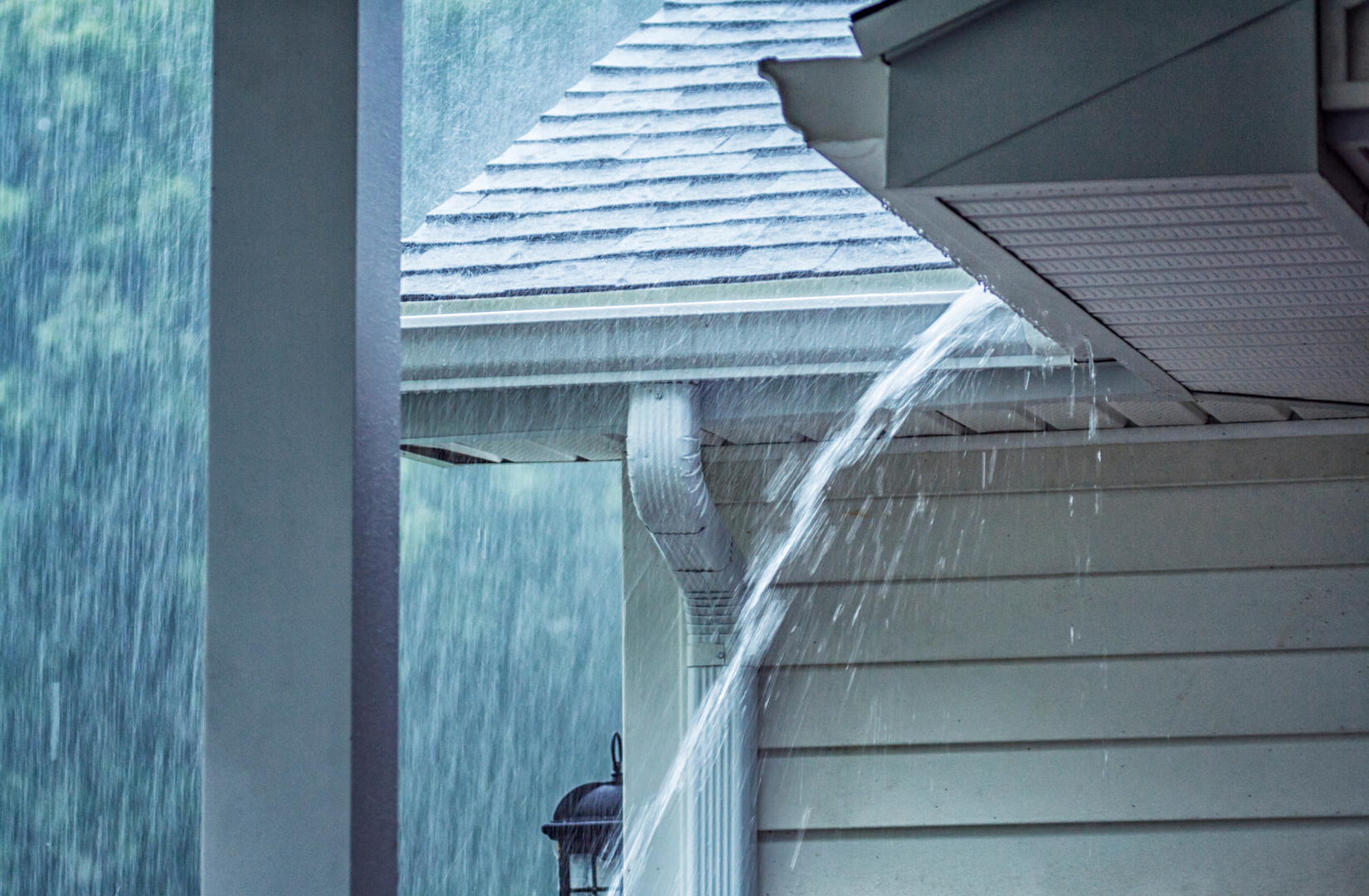
After a major storm, the phone calls start immediately. Roofers, restoration companies, public adjusters, and contractors all show up fast, sometimes before you have had a chance to assess what actually happened. The urgency is real, but moving too quickly with the wrong provider can create bigger problems than the storm itself.
Why scope matters
Wind and hail damage to a roof does not always mean you need full replacement. Water intrusion from a storm does not always stop at the ceiling. And an insurance claim adds another layer that not every contractor is equipped to navigate properly. The right response depends on what was damaged, whether water entered the structure, how long it has been exposed, and whether an insurance claim is involved.
How we route it
Exsell helps property owners slow down just enough to make a good first decision. We look at what happened, what is visibly damaged, whether water intrusion is a factor, and whether the situation involves insurance. Then we route to the appropriate professional, whether that is a roofer, a restoration company, a structural engineer, or an independent inspector.

Fire and Smoke Damage
Common first concern
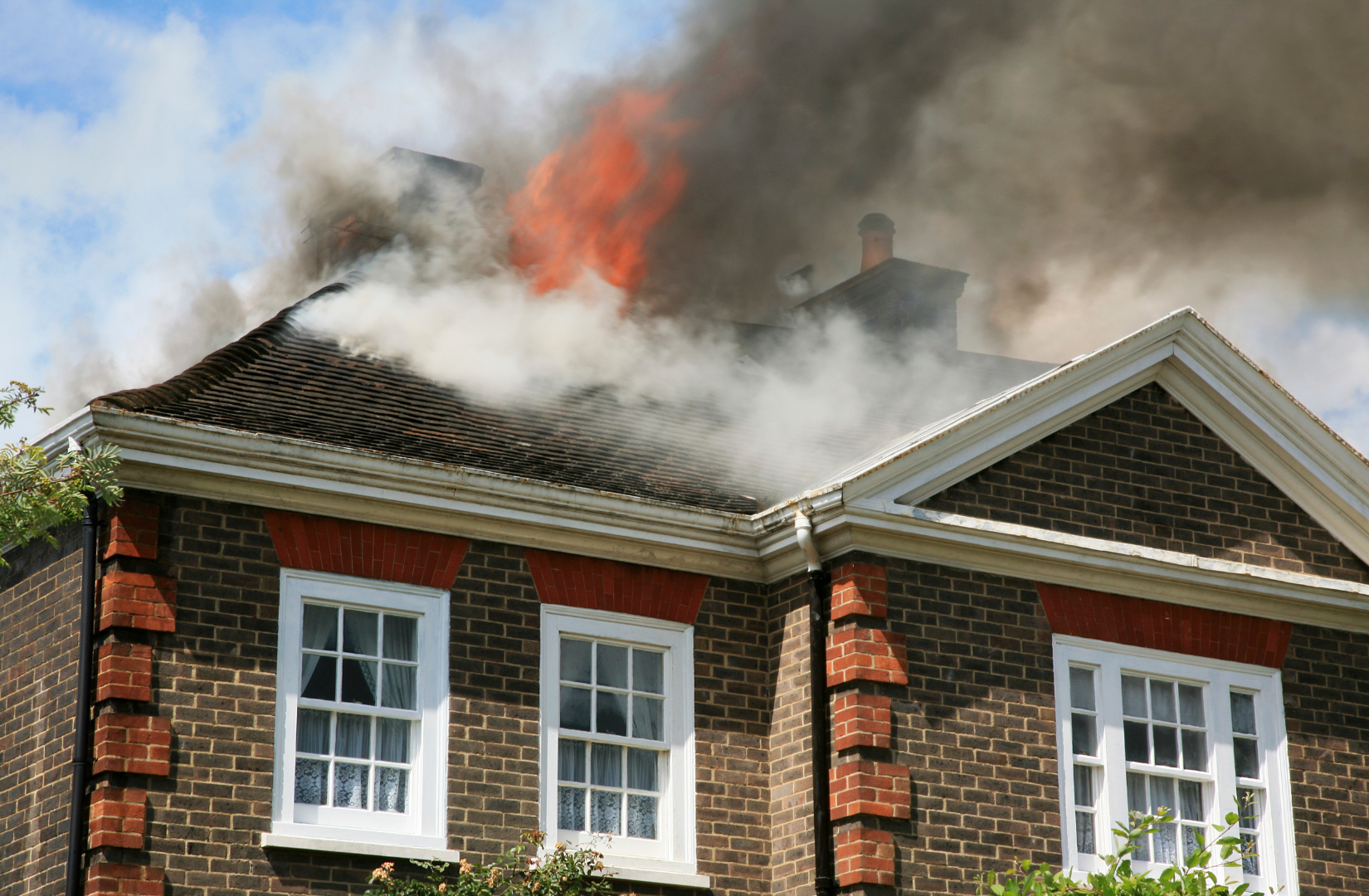
Fire damage is one of the few property damage situations where the scope of work is almost never limited to one trade. Even a small kitchen fire can produce smoke and soot contamination that reaches far beyond the room where the fire occurred. Larger events introduce structural concerns, water damage from suppression efforts, and air quality issues that require specialized assessment.
Why severity matters
The challenge for most property owners is that fire restoration is a broad category. Some companies handle demolition and reconstruction. Others specialize in smoke and soot cleanup. Some focus on contents restoration. And depending on severity, you may need a structural engineer to evaluate load-bearing components before any reconstruction begins.
How we route it
Exsell routes fire and smoke damage requests based on the scope and severity of what happened, not based on which company showed up first.

Structural Concerns
Common first concern
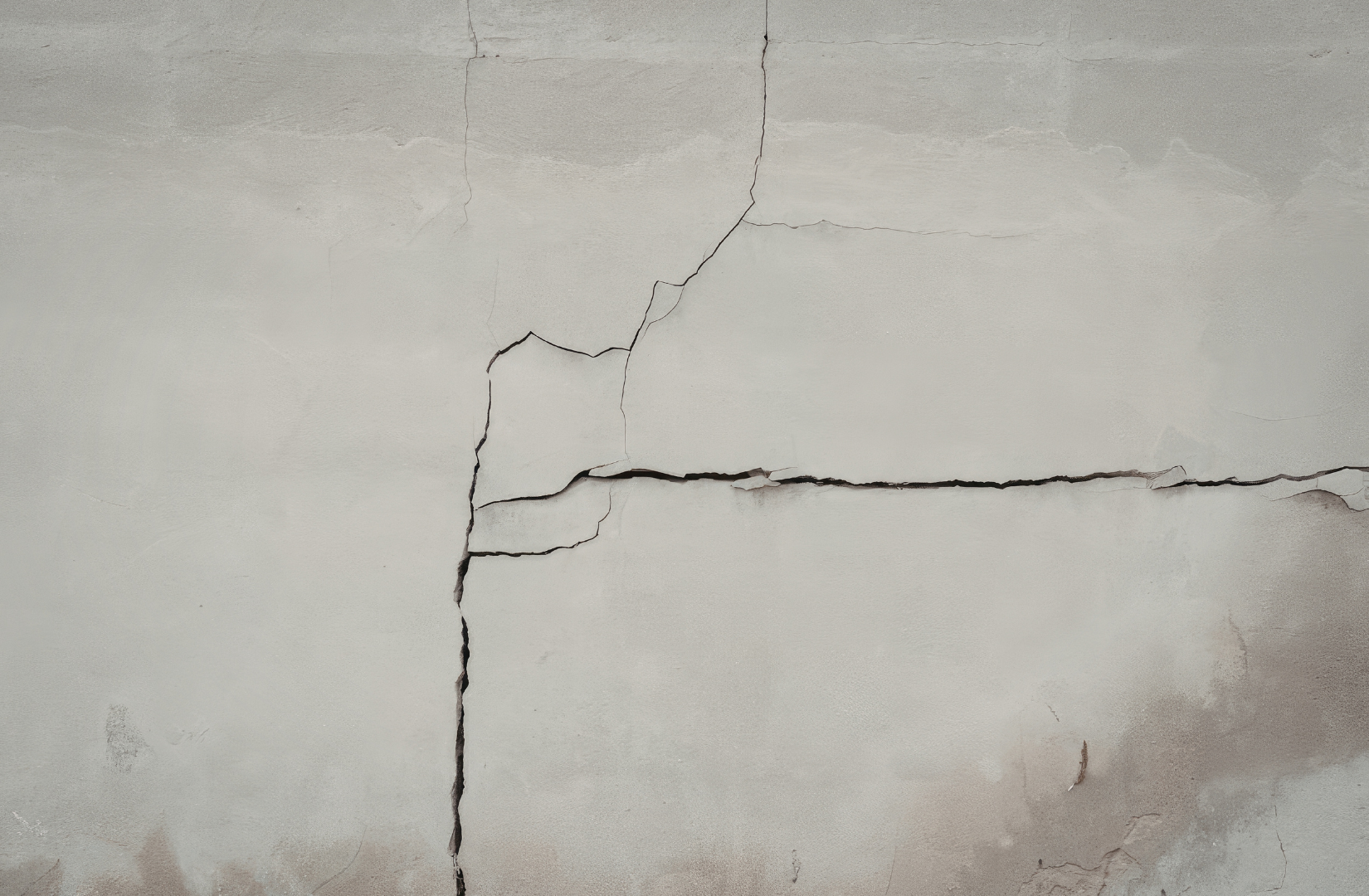
Structural issues are the category most property owners are least equipped to evaluate on their own. A crack in a foundation wall could be cosmetic settling or it could indicate a serious movement problem. A sagging roofline might be a framing issue or a long-term moisture problem that has weakened the structure. Floors that feel uneven, doors that no longer close properly, visible separation between walls and ceilings. These are symptoms, and the underlying cause determines who you should call.
Why evaluation matters
Not every structural concern requires an engineer, but many of them do, and calling a general contractor to evaluate something that needs engineering analysis is a common and expensive mistake. On the other end, hiring an engineer for a cosmetic crack that a contractor could address in an afternoon is a waste of time and money.
How we route it
Exsell helps property owners describe what they are seeing so we can determine whether the situation calls for a licensed structural engineer, a general contractor, a foundation specialist, or an inspector, and connect them with the right one.
Post-Repair and Post-Remediation Issues

Common first concern
Sometimes the problem is not the original damage. It is what happened after. Restoration work was completed but the area still smells. Mold remediation was performed but growth reappeared weeks later. A roof was replaced after a storm but leaks started again at the first heavy rain. Repairs were made under an insurance claim but the documentation does not seem right.
Why independence matters
These situations are difficult because the property owner has already spent money, already trusted a provider, and now has to figure out whether the original work was done correctly, often without knowing what "correctly" looks like.
How we route it
Exsell routes post-repair and post-remediation requests to independent professionals who were not involved in the original work. That might be a licensed mold assessor for clearance testing, a structural engineer for an independent evaluation, an indoor air quality professional, or an inspector who can review the scope of work against what was actually completed.
Not Sure Where Your Situation Fits?
Most of the requests we receive do not fit cleanly into one category. Water damage leads to mold. Storm damage leads to structural questions. Fire damage involves water from suppression and smoke contamination across multiple systems. A post-repair issue might involve two or three of these categories at once.
That is normal, and it is exactly why Exsell exists. You do not need to diagnose the problem yourself or figure out which type of professional to call. Describe what happened, what you are seeing, and what has already been done. We handle the rest.
Request Help NowTell Us What Happened
Use this form when you are unsure whether you need cleanup, inspection, testing, documentation, engineering, or verification.
Share what happened, what you are seeing, and whether the issue is active or already repaired. From there, we route the request toward the right kind of local professional.
- Active damage or already repaired
- Cleanup, testing, assessment, or verification
- Clearer direction before the next call